
TMJ Therapy & Sleep Apnea in Toronto

Our Approach
Many people experience jaw soreness, morning headaches, or disrupted sleep without realizing these concerns may be connected to the jaw joint or airway. At Bloor Dental Health Centre, our sleep apnea and TMJ dentist near the University of Toronto offers care designed to address symptoms associated with TMJ disorders and sleep-related breathing issues. Our approach focuses on evaluation, education, and oral appliance options that may help improve comfort and support healthier sleep patterns.
Benefits of TMJ & Sleep Apnea Therapy
- Reduces chronic jaw pain, popping, and clenching
- Helps you sleep through the night without snoring
- Relieves pressure headaches and earaches
- Improves daily focus, mood, and energy
- Customized treatment for lasting relief!
Understanding TMJ
The temporomandibular joint (TMJ) acts as a hinge, enabling all jaw movement (opening, closing, side-to-side). TMJ disorders are conditions affecting this joint, its surrounding muscles, or the balance of your bite.
Symptoms often include:
- jaw clicking
- stiffness
- tenderness
- difficulty opening your mouth widely
- facial discomfort
- headaches linked to muscle tension
Causes:
- clenching/grinding (bruxism)
- stress
- bite misalignment
- physical injury
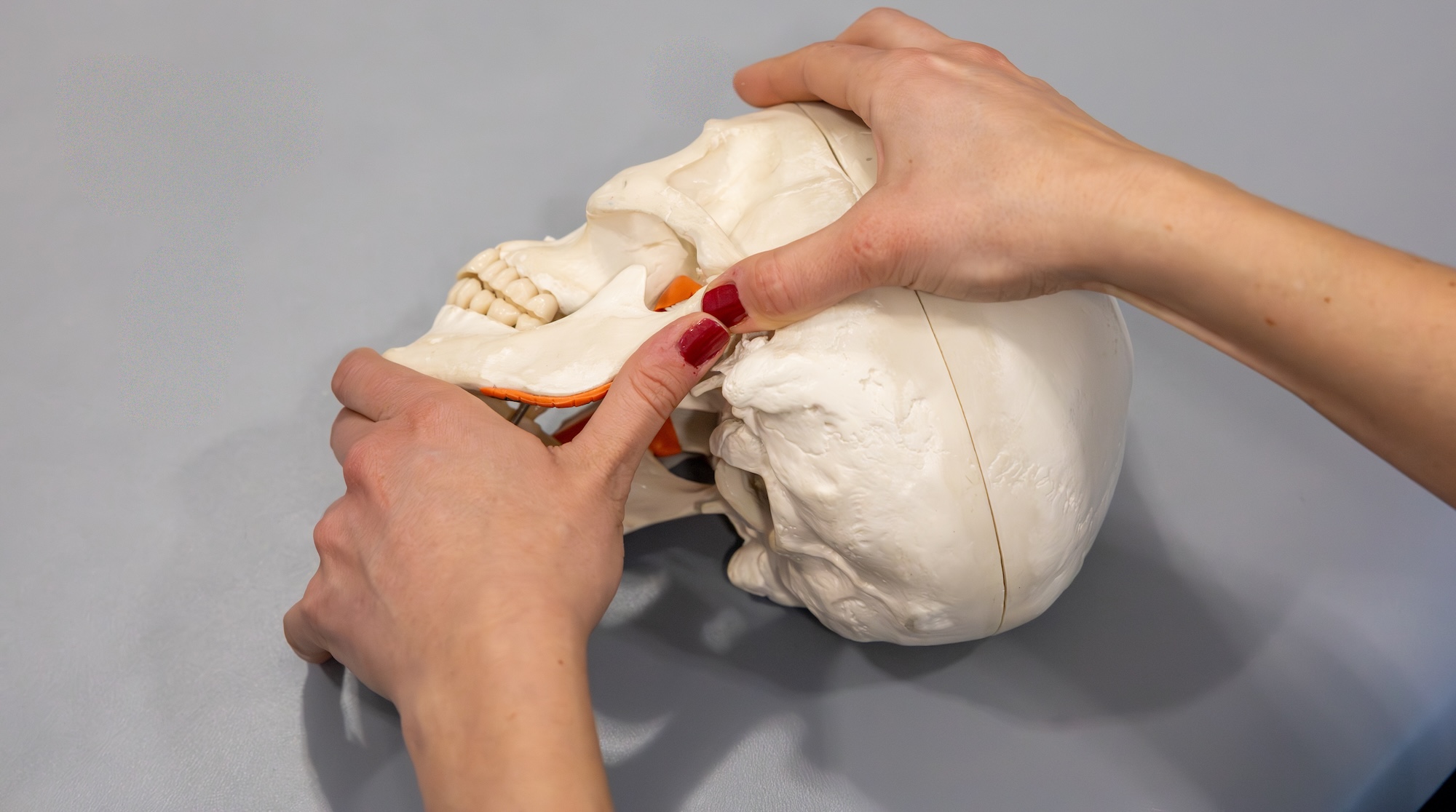

TMJ Treatment: Two Phases
Phase I: Stabilization and Pain Relief
The goal is to eliminate muscle spasms and pain by placing the jaw in a stable, comfortable position.
- Diagnosis: An assessment of medical/dental history, symptoms, and joint function.
- Primary Treatment: Patients wear a customized dental orthotic (splint), which covers the lower teeth. The splint is created to hold the jaw in alignment, allowing the muscles and joint to relax and heal.
- Supportive Therapies: Physical modalities like moist heat are designed to reduce muscle inflammation. We also address contributing factors like poor posture (with referrals to specialists like chiropractors).
- Duration: Treatment time is individualized, but typically lasts around six months.
Phase II: Permanent Bite Correction
Phase II is required if the stable position achieved in Phase I needs to be made permanent to prevent pain relapse. It focuses on closing the gap that often develops between the back teeth when the jaw is repositioned.
- Goal: Designed to permanently stabilize the jaw position so the teeth, muscles, and joints work together harmoniously.
- Treatment Options:
- Orthodontics (Braces): Used primarily to move teeth and close larger gaps (over 3mm) created by the new jaw alignment.
- Restorative Solutions: Used for smaller gaps (under 3mm), or when teeth are damaged or missing. Options include crowns and bridges or customized dentures
Note: In rare cases of severe joint damage, surgical correction may be necessary.
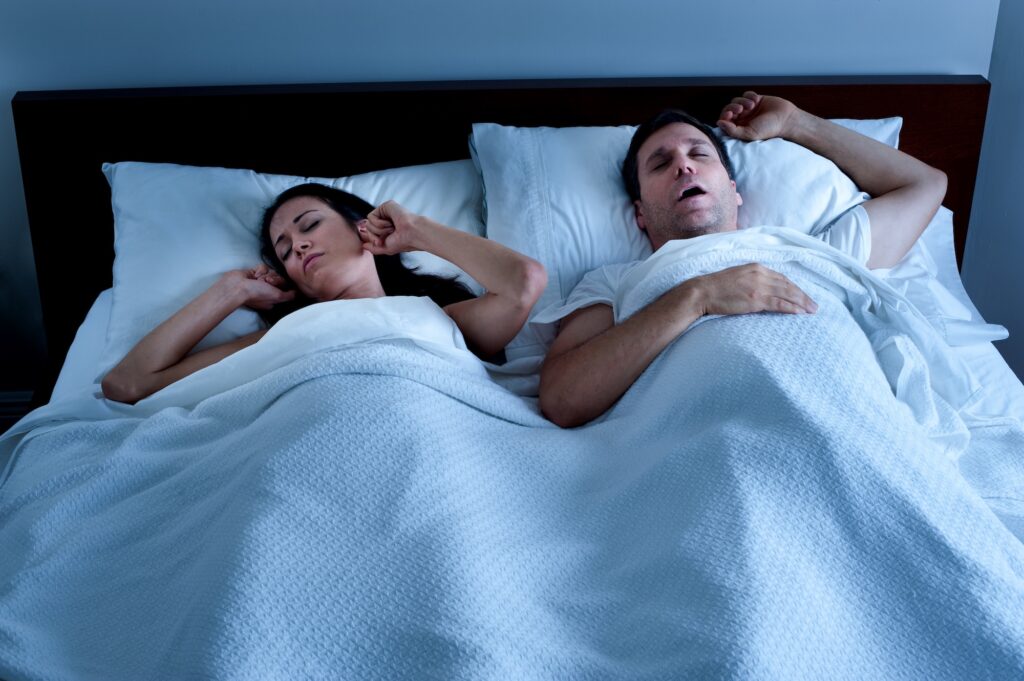
Understanding Sleep Apnea
Sleep apnea is a common condition where breathing repeatedly pauses or becomes shallow during sleep. The most common type, Obstructive Sleep Apnea (OSA), occurs when the airway is temporarily blocked or narrowed.
Signs of OSA:
- loud snoring
- waking up tired despite a full night’s rest
- difficulty staying asleep
Health Impact:
Untreated sleep apnea is linked to serious health concerns, including:
- high blood pressure
- chronic daytime fatigue
Oral Appliances for Sleep Apnea
Oral appliances are a non-surgical option designed to treat snoring and mild to moderate obstructive sleep apnea (OSA).
What They Are:
How They Work:
Finding the Right Fit:
Required Follow-up:
Common Questions About TMJ and Sleep Apnea
What are some TMJ symptoms?
Simple jaw sounds, such as clicking or popping without pain, are normal and typically require no treatment. Symptoms that may signal a TMD include pain in your jaw or chewing muscles, pain spreading to your face, limited or locked jaw movement, or a painful grating sound when chewing. Also watch for changes in your bite, too. Book a consultation with us to get started through our Contact page!
How can I sleep comfortably with TMJ pain?
Try sleeping on your back with a supportive pillow and avoid resting your hand or jaw on one side. Relax your jaw before bed by practicing gentle stretches or deep breathing. If grinding is a problem, ask us about our customized nightguard designed to protect your teeth and reduce morning soreness. Have questions? Call us at (416) 538-8883!
How much does sleep apnea treatment cost?
Prices can vary based on device design, customization, and your needs. Depending on your plan, medical insurance – not dental – may offer benefits for medically necessary oral appliance therapy. Our personable staff can provide a benefits check and outline options before you decide. Reach out if you have questions at (416) 538-8883!
How do you test for sleep apnea?
A formal diagnosis of sleep apnea is typically confirmed through a sleep study when a patient experiences more than five breathing interruptions lasting ten seconds or longer per hour of sleep. Our office offers the MediByte® Kit by Braebon, which is a take-home sleep test designed to record necessary data while sleeping in the comfort of your own home.
How do you evaluate for TMJ disorders?
Our Toronto TMJ centre includes a review of your medical and dental history, as well as a physical examination of your teeth and dental arches. You will be asked specific questions regarding possible symptoms of TMJ dysfunction. If you confirm experiencing any related symptoms, further tests are then necessary to confirm a diagnosis of a temporomandibular disorder.