
Crowns & Bridges
Restore Your Smile
Crowns and dental bridges are widely used dental restorations designed to help repair damaged teeth or replace missing ones.
At Bloor Dental Health Centre, we provide these treatments because our goal is to support oral function and long-term oral health. If you have a tooth that is weakened, worn, or missing, crowns and bridges in Toronto may be recommended as part of your personalized treatment plan.
Benefits of Dental Crowns and Bridges
- Restore function for chewing and speaking
- Protect weak or damaged teeth from further harm
- Improve the appearance of your smile
- Prevent shifting of surrounding teeth
- Long-lasting, natural-looking results!
What's The Difference?
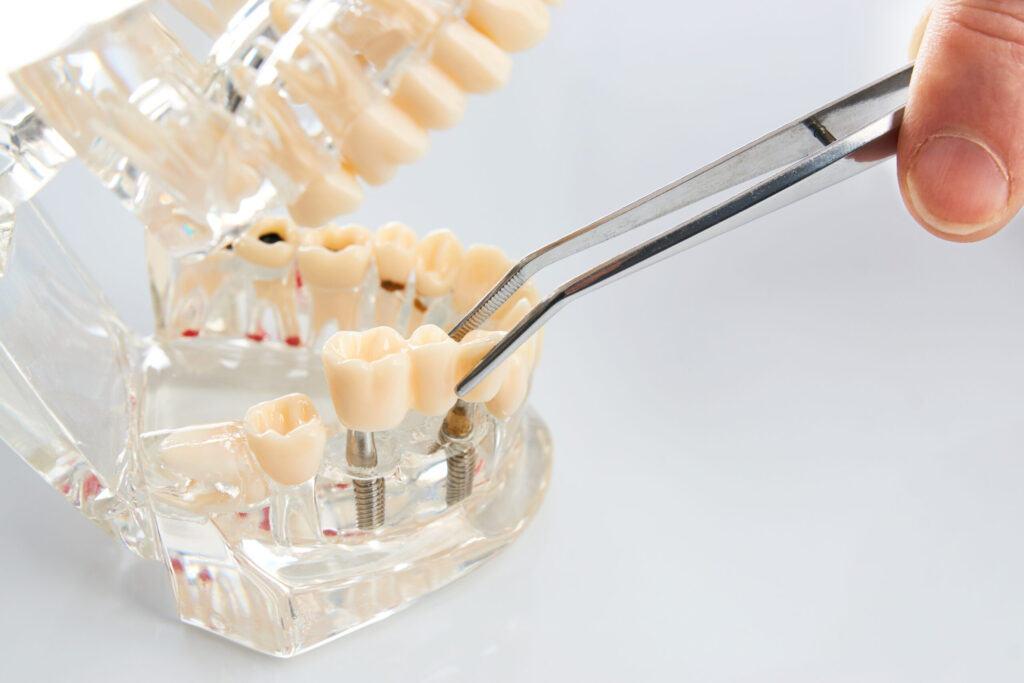
Dental crowns are custom-made coverings placed over a damaged or weakened tooth. They are created to repair the tooth’s shape and the way it functions when you chew or speak. Crowns are often recommended when a tooth has a large filling, has undergone root canal treatment, or has visible cracks or structural wear.
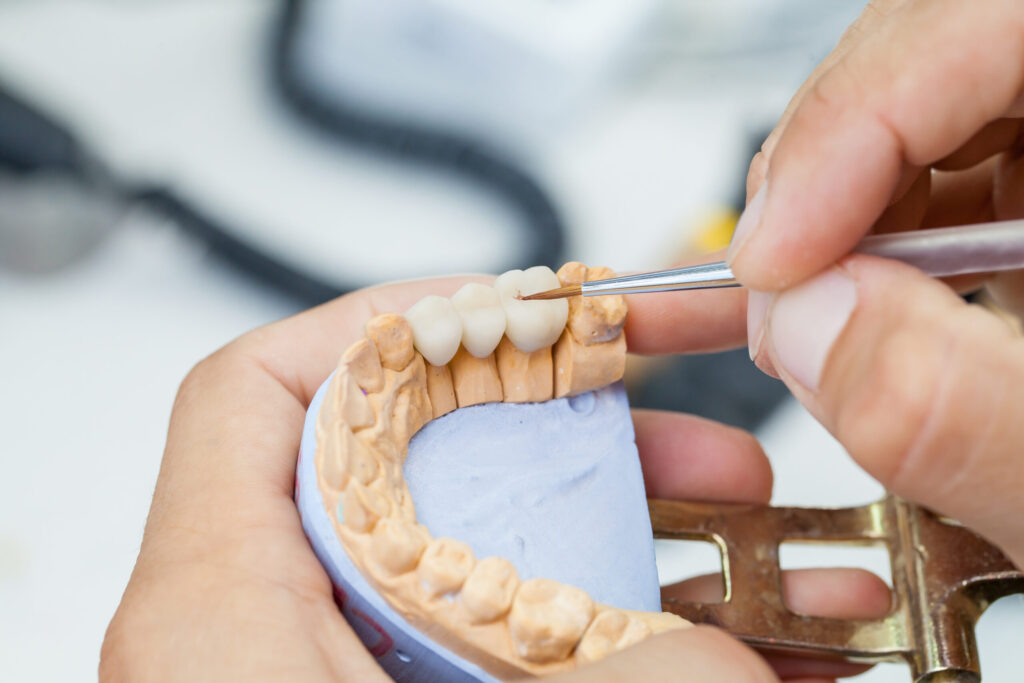
Dental bridges are used to replace one or more missing teeth. A bridge attaches to the teeth on either side of the gap or, in some cases, to dental implants. By filling the space, a bridge is crafted to help maintain spacing, prevent neighbouring teeth from shifting, and support a balanced bite.
Both restorations are designed to be functional and to blend in with the surrounding teeth.

Why These Restorations Matter
Missing or structurally weakened teeth can make it more difficult to chew comfortably, pronounce certain words, or maintain a stable bite. Over time, gaps left by missing teeth may contribute to shifting teeth, wear on adjacent teeth, and other changes in your bite. Crowns and bridges provide a way to reinforce existing teeth or fill spaces left by missing ones, helping maintain overall oral stability.
Untreated dental issues – such as decay, infection, or gum disease – can also affect overall health. Organizations such as the Canadian Dental Association (CDA) and the Centers for Disease Control and Prevention (CDC) note that oral health is connected to general wellness, especially when inflammation or infection is present.
What to Expect During Treatment
Initial Examination and Consultation
Tooth Preparation
Impression or Digital Scan
Temporary Restoration
Placement of the Final Crown or Bridge
Common Questions About Dental Crowns and Bridges
How long do dental crowns usually last?
Dental crowns are designed to last 10 years or more with good home care and routine dental visits. Their lifespan depends on factors such as bite forces, oral hygiene, and the material used. Our dentist will monitor the crown during checkups because our goal is to ensure it remains functional. Have questions? Reach out to us at (416) 538-8883
Do dental bridges look like natural teeth?
Are there different types of dental crowns?
Yes! Metal, composite, and porcelain crowns offer different benefits for tooth restoration. Metal crowns are designed to be highly durable but lack natural colour. Composite crowns are created to look natural but wear faster. Porcelain crowns can offer an effective, seamless, and aesthetic appearance. Curious about dental crowns? Connect with us at (416) 538-8883
Do I need a crown after a root canal?
A crown is often recommended after root canal treatment because the tooth may be more fragile. A crown is crafted to help protect the tooth and restore strength for chewing. Our dentist will evaluate the tooth and explain whether a crown is suitable based on the tooth’s structure and its role in your bite.
What is the difference between a crown and a bridge?
A crown is designed to cover and reinforce a single tooth, while dental bridges on Bloor are created to replace one or more missing teeth by attaching to neighbouring teeth or implants. Ultimately, we’re here to help you understand which is right for you. Book a consultation with us to discuss this in person today!